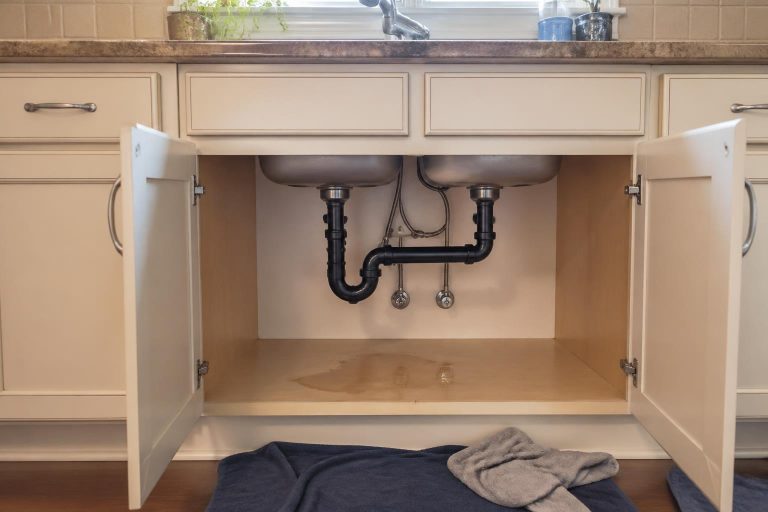
Low water pressure can make everyday tasks frustrating. A shower feels weak, a washing machine fills slowly, or a faucet that used to work well barely moves enough water. The cause may be simple, but it can also point to a valve, pipe, fixture, or supply issue that should be checked.
First, notice where the pressure is low
The most helpful first step is to identify whether the problem affects one fixture, one room, or the whole house. A single slow faucet usually points to that faucet or its supply line. Low pressure everywhere may involve the main shutoff valve, pressure regulator, water service line, or municipal supply.
A clogged aerator or showerhead
If only one faucet is weak, the aerator at the end of the spout may be clogged with sediment or mineral buildup. Showerheads can have the same problem. This is especially common when pressure drops gradually over time.
Cleaning or replacing the aerator may restore normal flow. If buildup returns quickly, there may be sediment in the water lines that should be investigated.
Partially closed valves
Low water pressure can happen when a shutoff valve is not fully open. Check the fixture shutoff valves under sinks and behind toilets, then check the main shutoff valve if the issue is more widespread.
Do not force a valve that feels stuck or corroded. Older valves can leak when disturbed, so it is better to have a plumber handle valves that do not turn smoothly.
A failing pressure regulator
Some homes have a pressure reducing valve, often called a pressure regulator. If it starts to fail, pressure may become too low, too high, or inconsistent. You may notice weak flow throughout the house or sudden changes when several fixtures are used at once.
A plumber can test the water pressure with a gauge and determine whether the regulator needs adjustment or replacement.
Pipe buildup or aging water lines
Older plumbing can develop internal corrosion, scale, or restrictions that reduce flow. This often shows up as pressure that slowly gets worse over months or years. In some cases, only hot water pressure is affected because the issue is connected to the water heater or hot water piping.
Pipe condition is not something to guess at. A plumbing inspection can help separate fixture problems from larger piping issues.
Leaks can reduce available pressure
A hidden leak can lower water pressure and cause water damage at the same time. Watch for damp walls, soft flooring, unexplained water sounds, higher water bills, or areas of the yard that stay unusually wet.
If pressure drops suddenly and you suspect a leak, shut off water where appropriate and contact a plumber.
When low pressure needs professional attention
Call a plumber if low pressure affects the whole house, changes suddenly, appears after plumbing work, or comes with signs of leaking. Agent CSS Rename Smoke Plumbing helps homeowners in Boulder, Longmont, Lafayette, and nearby areas diagnose water pressure problems and choose a practical next step.